Taxation on Real Estate in Mauritius
Beyond the island lifestyle, investors are drawn to a simple, low-tax environment that offers both financial advantages and peace of mind. What makes Mauritius stand out is its strong foundation:…
 English
Mauritius is increasingly viewed as one of the prime destinations in the Indian Ocean for real estate investment. Between its stable political environment, attractive tax incentives, growing infrastructure, and a booming tourism sector, it offers strong potential for investors seeking both capital appreciation and rental income. But as with any investment, success depends on understanding the legal, financial, and market dynamics. Here is a comprehensive look at what real estate investment in Mauritius entails—and how to do it wisely.
Mauritius enjoys a long reputation of being one of Africa’s most stable democracies, with a diversified economy (tourism, finance, ICT, agriculture) that cushions it from single-sector shocks. Rule of law is respected, and foreign investment is supported by clear, relatively investor-friendly regulations.
Laws and regulations that allow non-citizens to purchase property under certain schemes (IRS, PDS, RES, Smart City) which simplify ownership.
The property market is experiencing robust momentum: residential property prices have risen significantly (some reports show ~22% year-on-year increases) and there are many approved residential developments, including for foreign buyers.
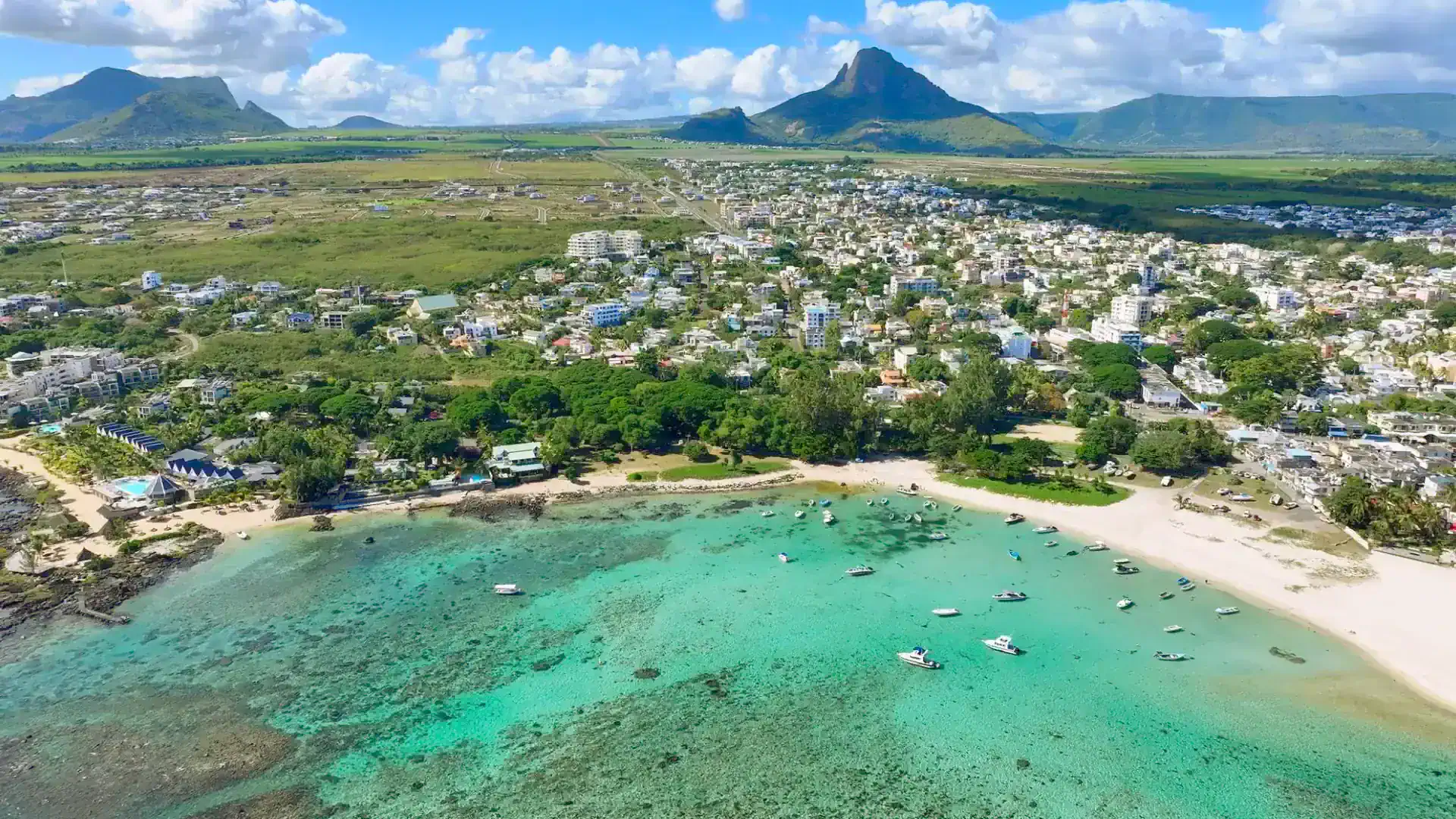
Tourist areas and coastal zones maintain high demand, both for long-term and short-term rentals. For example, areas like Grand Baie, Pereybere, East Coast (Belle Mare, Trou d’Eau Douce), West Coast (Black River, Le Morne) are especially popular.
One unique incentive: through approved real-estate investment schemes, foreign buyers investing above a minimum threshold (often about USD 375,000 in a qualifying development) can obtain residence permits.
Mauritius combines attractive natural amenities (beaches, biodiversity, mild climate) with good infrastructure, accessibility, and a high quality of life. Recent public investment in roads, public utilities, light rail and transportation is improving connectivity and enhancing value in “up-and-coming” zones.
While Mauritius is attractive, investors should be aware of certain risks and constraints:
Properties in top locations (beachfront, premium villas, luxury apartments) are expensive. Not only the purchase price but also development, finishing, and amenities costs can be high. Thus capital required is substantial.
To buy under certain schemes (e.g. IRS, PDS, Smart City) there are rules on minimum prices, developer approvals, infrastructure standards, and sometimes restrictions on how often you can use or rent the property. These schemes bring benefit, but also complexity.
Some areas are seeing a lot of development. Oversupply can reduce rental yields or slow down capital appreciation in those zones. It is crucial to research the pipeline of projects in a given area before investing.
Especially for luxury or beachfront homes: maintenance (corrosion, salt, wear of finishes), property management, staffing, security, taxes/insurance all add up. Net yield (after costs) may be lower than headline rental yields.
Real estate is less liquid than many asset classes. Selling high-value properties can take time, depending on market conditions. Also, currency risk, legal delays etc.
Areas heavily dependent on tourist demand can be vulnerable to fluctuations from global economic cycles, pandemics, travel restrictions.
To help make informed decisions, consider what the recent data suggests:
To illustrate, here’s a rough hypothetical:
Note: These numbers vary greatly based on location, property condition, amenities, scheme, and external factors.
North Coast (Grand Baie, Pereybere) remains a strong bet for prime properties, high demand, lifestyle features.
Investing in real estate in Mauritius offers a compelling proposition: a strong investment environment, tax advantages, appealing lifestyle, and growing demand especially in tourism-oriented and coastal areas. But it’s not without its challenges: high entry costs, regulatory complexity, maintenance burdens, and risk of over-supply in some zones.
For serious investors, success will come from rigorous due diligence, selecting the right property type and location, clearly defining investment goals, and planning both for upside and risk. With the right strategy, Mauritius can deliver both good returns and lifestyle benefits.
